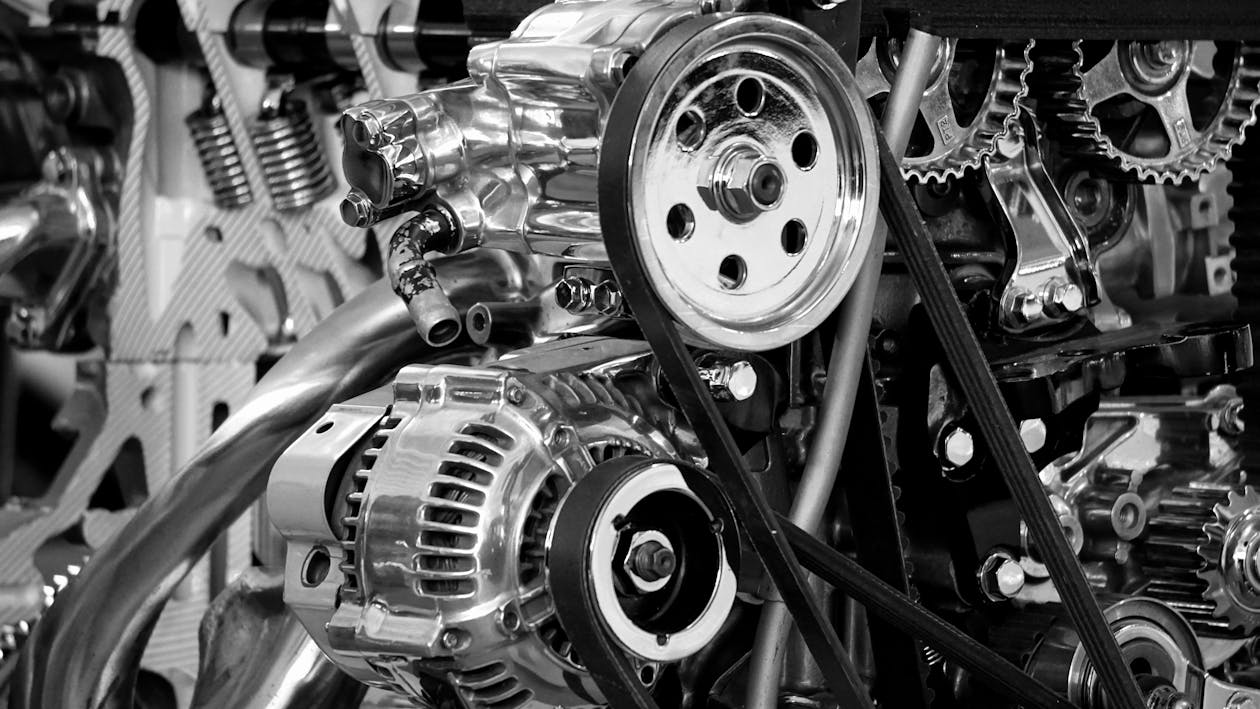
Across the maritime industry, sustainability, cost efficiency, and resource management have become increasingly important. One area that has gained significant attention is the concept of
reusable engines. Instead of viewing decommissioned ships as waste, many companies now recognize them as valuable sources of machinery, components, and technology that can continue serving useful purposes for many years.
When a ship reaches the end of its operational life, it does not necessarily mean that every system onboard has become obsolete. In many cases, engines, pumps, generators, control systems, and mechanical components remain in excellent condition. By recovering and reusing these assets, companies can save money while reducing waste and supporting a more circular economy within the maritime sector.
Why Reusable Engines are becoming more popular
The growing popularity of reusable engines is driven by both economic and environmental factors. New marine engines and replacement components often require significant investment, especially for commercial operators managing multiple vessels.
At the same time, many retired ships contain machinery that has been carefully maintained throughout its operational life. These engines may still have considerable service potential remaining. Rather than scrapping everything, operators increasingly choose to inspect, refurbish, and reuse valuable components.
This approach helps companies maximize the value of existing assets while reducing dependence on newly manufactured equipment.
Finding valuable components through Reusable Engines recovery
Ship recycling yards around the world have become important sources of reusable engines and spare parts. When vessels are dismantled, experienced technicians carefully evaluate the condition of onboard machinery before deciding what can be reused.
Engines are often among the most valuable assets recovered from retired ships. However, many other systems may also provide excellent opportunities for reuse. Fuel pumps, turbochargers, cooling systems, generators, starters, alternators, injectors, valves, and control equipment are frequently recovered and prepared for future applications.
The process requires technical expertise, but it allows businesses to obtain high-quality equipment at a lower cost than purchasing brand-new components.
Reusable Engines help reduce maintenance costs
One of the biggest benefits of reusable engines is the potential for cost savings. Marine engine maintenance can be expensive, particularly when specialized parts are required for older models.
By sourcing components from dismantled ships, operators can often find suitable replacements at significantly lower prices. This is especially valuable when original manufacturers have discontinued certain products or when new parts have long delivery times.
Reducing maintenance expenses allows vessel operators and industrial users to allocate resources more efficiently while maintaining reliable performance.
How Reusable Engines support sustainability goals
Sustainability has become a major focus across the shipping industry. Reusing engines and components aligns closely with circular economy principles by extending the useful life of existing equipment.
Manufacturing a new marine engine requires large amounts of raw materials, energy, and transportation resources. By choosing reusable engines, companies can reduce the demand for new production and minimize environmental impact.
Additionally, recovering usable machinery from retired vessels prevents valuable resources from being unnecessarily discarded. This approach contributes to more responsible resource management throughout the maritime sector.
Ship dismantling creates opportunities for Reusable Engines
When a vessel is dismantled, it often contains a remarkable amount of reusable technology. Many ships are retired because of regulatory changes, operational costs, or age rather than complete mechanical failure.
As a result, reusable engines recovered from these vessels may still have substantial operational value. In some cases, engines are removed and installed in other vessels. In others, they are dismantled for individual components that can support maintenance programs.
The ship dismantling process has therefore become an important supply source for marine operators seeking cost-effective equipment solutions.
Reusable Engines can support older vessel fleets
Many commercial vessels remain in operation for decades. Maintaining these older fleets can become increasingly challenging as manufacturers discontinue parts and support for aging engine models.
Reusable engines provide a practical solution by supplying components that may no longer be readily available through traditional channels. Salvaged engine parts often allow operators to continue maintaining reliable equipment without investing in complete system replacements.
For companies operating older vessels, access to reusable components can be critical for extending operational life and controlling maintenance budgets.
Quality inspection is essential for Reusable Engines
While reusable engines offer many advantages, quality assessment remains a crucial part of the process. Not every engine or component removed from a retired ship is suitable for reuse.
Professional suppliers typically conduct detailed inspections to evaluate wear, corrosion, structural integrity, and performance. Components may be cleaned, tested, refurbished, or reconditioned before being made available for sale.
This process ensures that reusable engines meet appropriate standards and provide reliable performance in future applications. Thorough testing also gives buyers confidence when selecting used equipment.
Reusable Engines provide faster access to parts
Supply chain challenges can sometimes make it difficult to obtain new marine components quickly. Delays in manufacturing, shipping, or inventory availability may leave vessels waiting for critical repairs.
Reusable engines can help address this problem by providing access to existing components that are already available. Salvaged parts can often be sourced and delivered much faster than newly manufactured alternatives.
For vessel operators, faster access to components means reduced downtime and improved operational continuity. In industries where every day of inactivity carries financial consequences, this can be a major advantage.
Why the market for Reusable Engines continues to grow
The demand for reusable engines is expected to increase as shipping companies focus on cost efficiency and sustainability. Many organizations are recognizing that retired vessels represent valuable inventories of equipment rather than simply scrap metal.
Advances in refurbishment techniques and quality testing have also improved confidence in used machinery. As a result, more buyers are willing to consider reusable components as part of their maintenance and procurement strategies.
This growing acceptance is helping create a more structured market for recovered marine equipment and engine systems.
Future opportunities created by Reusable Engines
As maritime industries continue to evolve, reusable engines will likely play an increasingly important role in resource management. Ship owners, recycling facilities, and equipment suppliers are finding new ways to recover value from retired vessels.
Digital inventory systems, improved documentation, and better tracking of engine histories are making it easier to identify and source suitable components. This improves transparency and allows buyers to make more informed decisions.
At the same time, growing environmental awareness is encouraging companies to look beyond traditional purchasing models and embrace equipment reuse where appropriate.
Why Reusable Engines make financial and environmental sense
Reusable engines offer a practical solution for businesses seeking to reduce costs, improve sustainability, and maximize the value of existing resources. Ships that have reached the end of their operational life often contain engines and components that still have many years of useful service remaining.
By carefully recovering, inspecting, and reusing equipment from dismantled vessels, companies can gain access to reliable machinery while avoiding the expense of purchasing entirely new systems. This approach supports both economic efficiency and environmental responsibility.
As the maritime industry continues to focus on smarter resource utilization, reusable engines will remain an important part of maintaining vessels, reducing waste, and preserving valuable technology that might otherwise be lost when ships are retired.