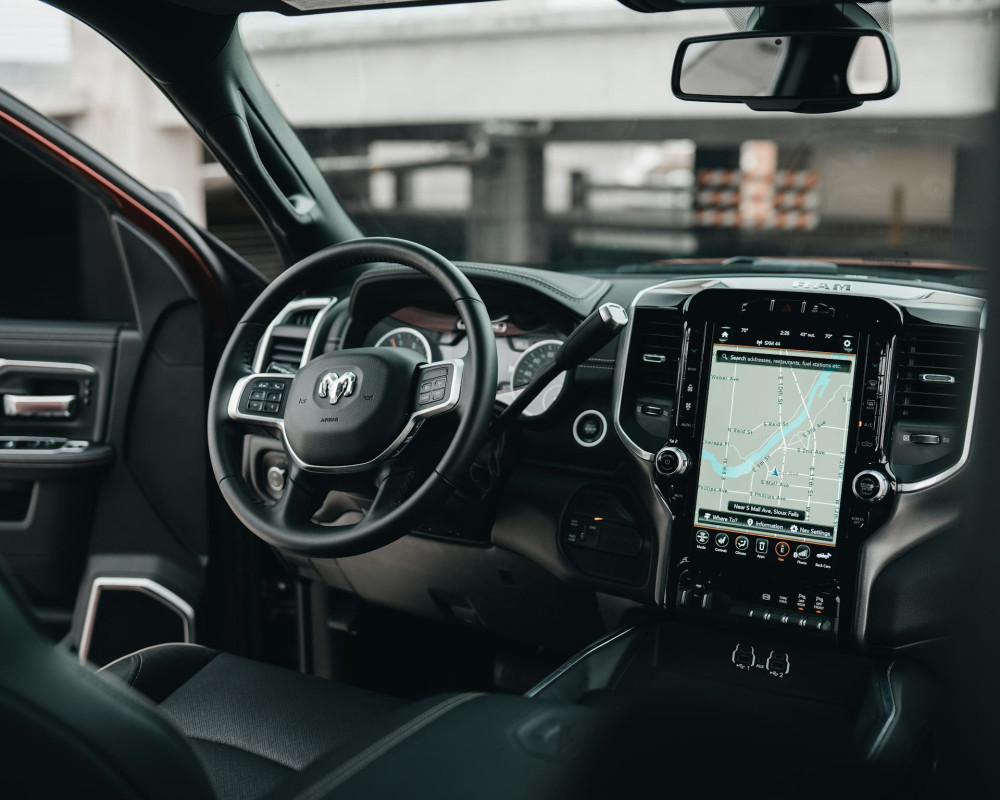
Digital solutions make it easier to calculate and pay car taxes

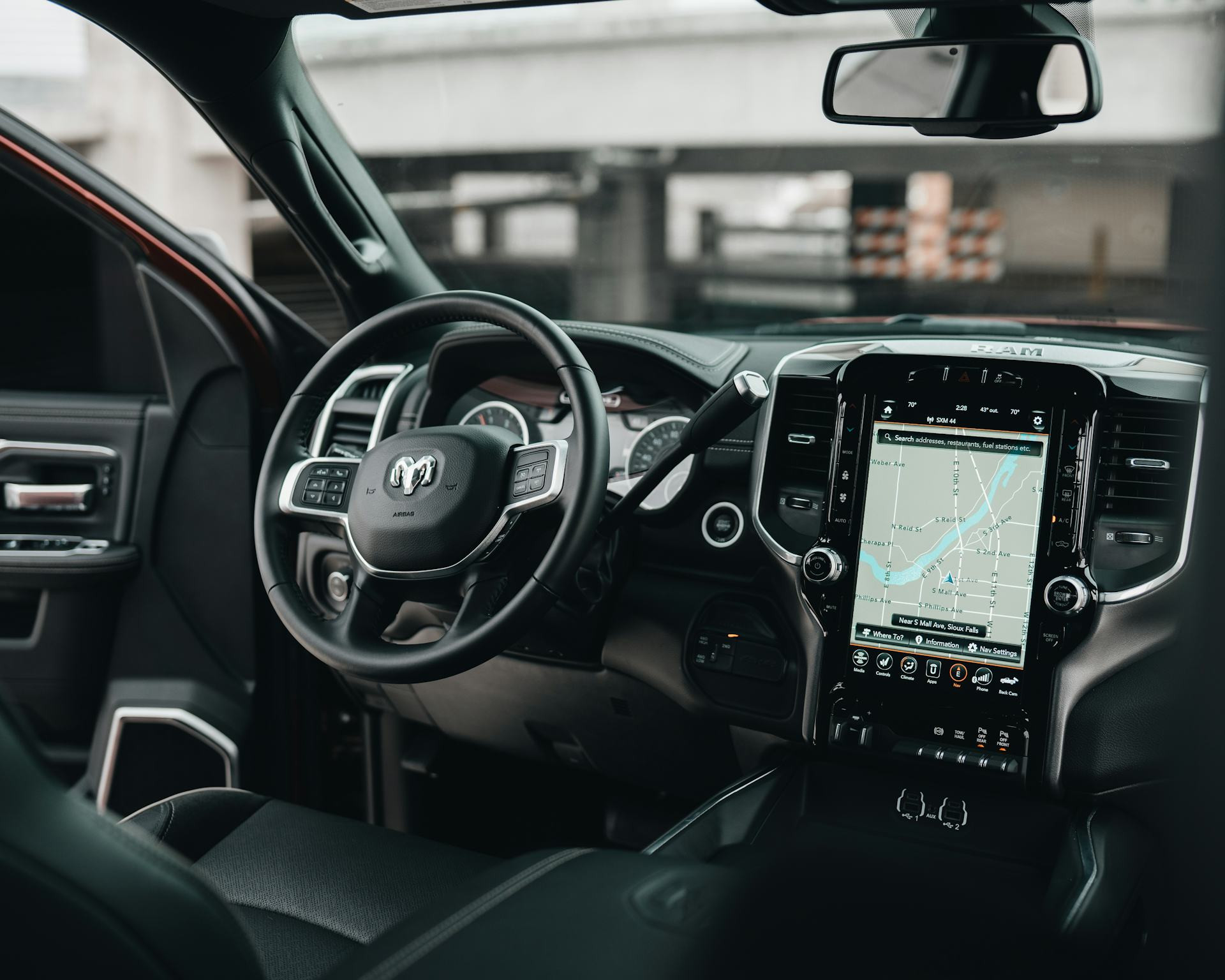
Digital solutions make it easier to calculate and pay car taxes
Owning a car in the United States comes with a variety of taxes and fees that can differ from state to state. Vehicle registration fees, property taxes, emissions surcharges, and even local road-use charges can make it difficult for drivers to keep track of what they owe. Fortunately, new digital tools are making it much easier for both individuals and businesses to calculate, manage, and pay their car-related taxes accurately and on time.
From paperwork to online tools
Not long ago, paying car taxes often meant sorting through paper forms, visiting the local Department of Motor Vehicles (DMV), or mailing checks to county offices. Each state had its own process, and keeping track of deadlines could be a challenge. Today, most states have moved these services online, allowing drivers to handle everything from renewals to tax payments with just a few clicks.
Many state DMVs now offer online calculators that estimate registration fees and taxes based on a vehicle’s make, model, and year. For example, drivers can enter their vehicle identification number (VIN) or license plate to see exactly how much they owe. These tools automatically factor in state and local tax rates, making the process faster and more transparent.
Private companies have also entered the space, offering apps and websites that integrate with public databases. These platforms can help users compare costs across states, estimate taxes for new or used car purchases, and even remind them when payments are due.
Paying taxes made simple
Digital payment systems have transformed how car owners settle their tax bills. Instead of waiting in line or mailing forms, most drivers can now log in to their state’s DMV portal, review their balance, and pay instantly using a credit card, debit card, or bank transfer. Many states also allow users to set up automatic renewals, ensuring that registration and tax payments are never missed.
For businesses managing large vehicle fleets, automation has become a game changer. Fleet management software can now sync directly with state tax systems, automatically calculating and submitting payments for multiple vehicles. This reduces administrative work, minimizes errors, and ensures compliance with varying state regulations.
Transparency and smarter decisions
Digital tools don’t just make payments easier—they also help drivers make better financial decisions. When you can clearly see how taxes are calculated, it becomes easier to understand the total cost of owning a vehicle. For instance, some online calculators show how fuel efficiency, vehicle weight, or emissions ratings affect annual taxes. This transparency can influence purchasing decisions, encouraging drivers to choose more efficient or environmentally friendly vehicles.
Car dealerships are also using these tools to provide customers with accurate, all-inclusive price estimates. Buyers can see the full cost of ownership—including taxes and fees—before signing any paperwork.
Looking ahead: automation and sustainability
As the U.S. automotive market shifts toward electric and hybrid vehicles, digital tax systems are evolving to keep pace. Some states are experimenting with mileage-based road-use fees, which could eventually be calculated and paid automatically through connected vehicle data. Others are developing open data systems that allow third-party apps to integrate directly with government tax platforms, creating new opportunities for innovation.
In the future, drivers may be able to see real-time tax estimates based on their driving habits, energy consumption, and environmental impact—all managed through a single digital dashboard.
Læs også:



A smoother experience for car owners
The digital transformation of car tax systems shows how technology can simplify even the most complex administrative tasks. Whether you’re renewing your registration, buying a new car, or managing a fleet, today’s online tools make it possible to handle everything quickly, securely, and without the hassle of paperwork.
For millions of American drivers, these digital solutions mean less time spent on bureaucracy and more confidence that their taxes are paid correctly—helping create a more efficient and transparent system for everyone on the road.
Læs også: